Home > Destinations > Data Studio (ex Looker Studio) > Amazon Ads

Connect Amazon Ads to Data Studio (ex Looker Studio)

Connect Amazon Ads to Data Studio (ex Looker Studio) and and build automated dashboards without CSV exports, spreadsheets, or manual API setup.

Looker Studio
Power BI
Google Sheets
BigQuery
Snowflake

Used by the world's leading companies

Why do agencies use Catchr for Amazon Ads reporting in Data Studio (Looker Studio)?

Catchr lets media buyers and agencies stop rebuilding Amazon Ads reports by hand: the data lands in Data Studio ready to chart, for every ad account you manage.

No manual csv export
‍

Stop downloading files from Amazon Ads every time a client report, spreadsheet, or dashboard needs fresh numbers.

Connected in minutes

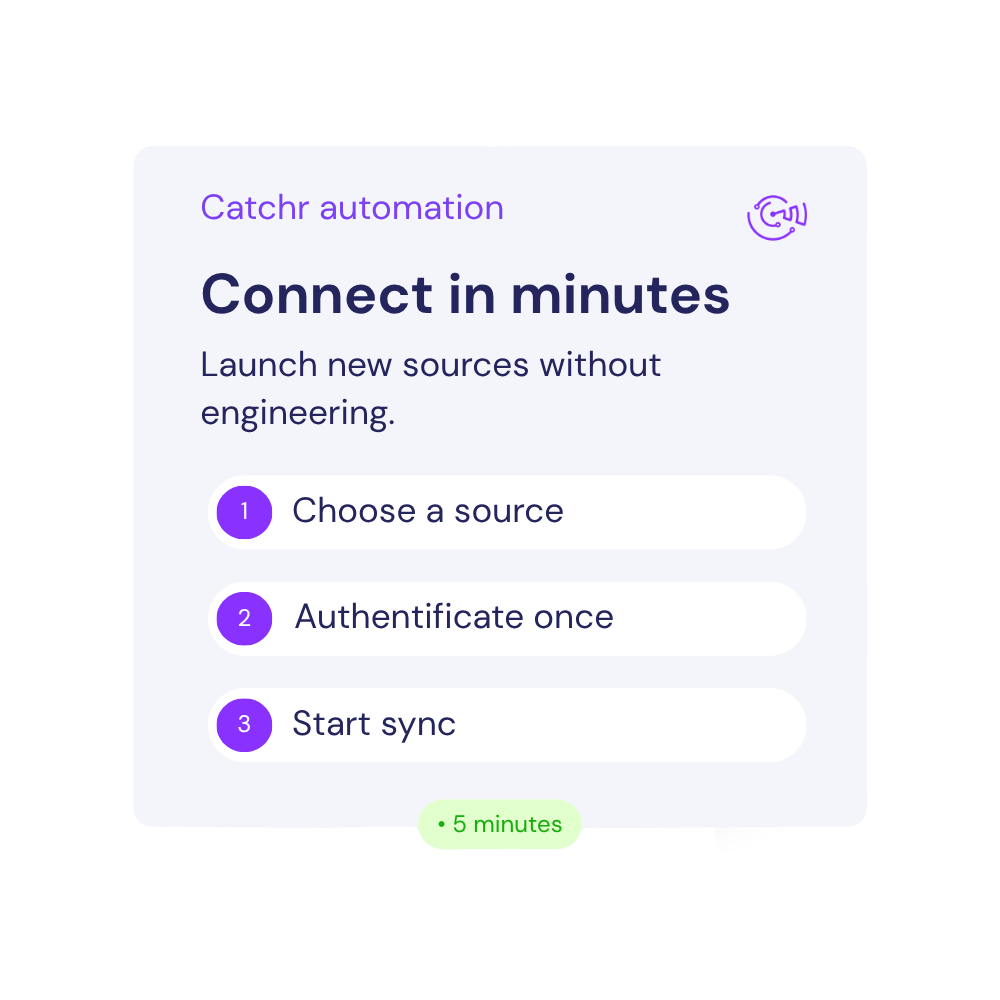
Your first Amazon Ads report can be live in a few minutes. Authorize your Amazon Ads account, pick your ad accounts, and your data source is ready.

Built for agencies with many Advertising accounts

Pull several Advertising accounts into one data source, then filter by account to build a report per client or brand in the same Data Studio file.

Amazon Ads to Looker Studio pricing

Choose your plan by the number of platforms and accounts you report on.

Starter

For freelancers and small teams.

$ 24 /mo

Billed monthly · cancel anytime

Platforms3
Accounts10
Start free trial

Growth

For agencies managing more clients.

$ 239 /mo

Billed monthly · cancel anytime

Platforms10
Accounts100
Start free trial

Scale

For teams reporting at scale.

$ 599 /mo

Billed monthly · cancel anytime

Platforms25
Accounts500
Start free trial

How to connect Amazon Ads to Data Studio with Catchr?

To connect Amazon Ads to Looker Studio (Data Studio), open the Catchr connector, authorize your Amazon Ads account, select the ad accounts you want to report on, then create your report.

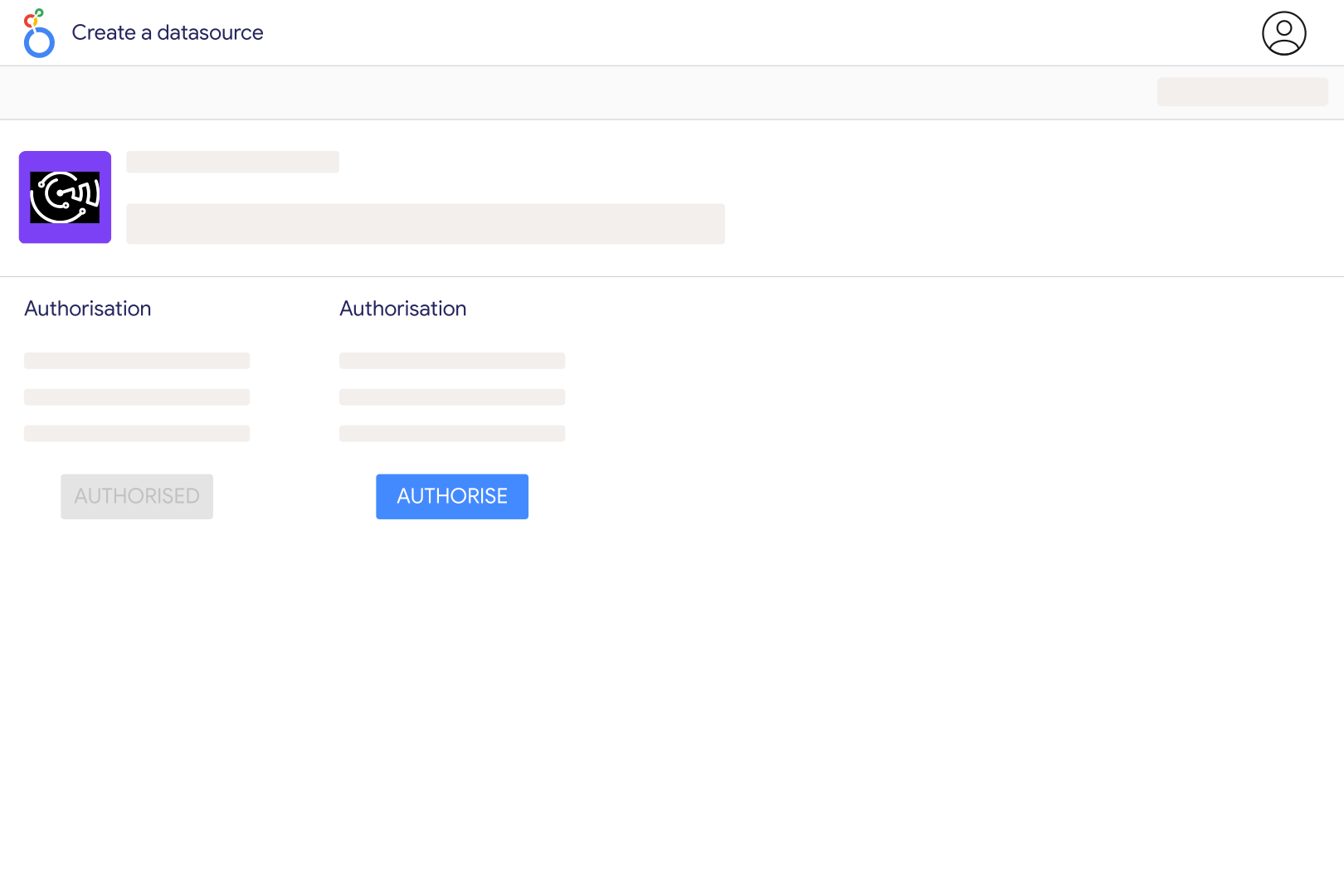
1. Open the Catchr Amazon Ads connector in Looker Studio

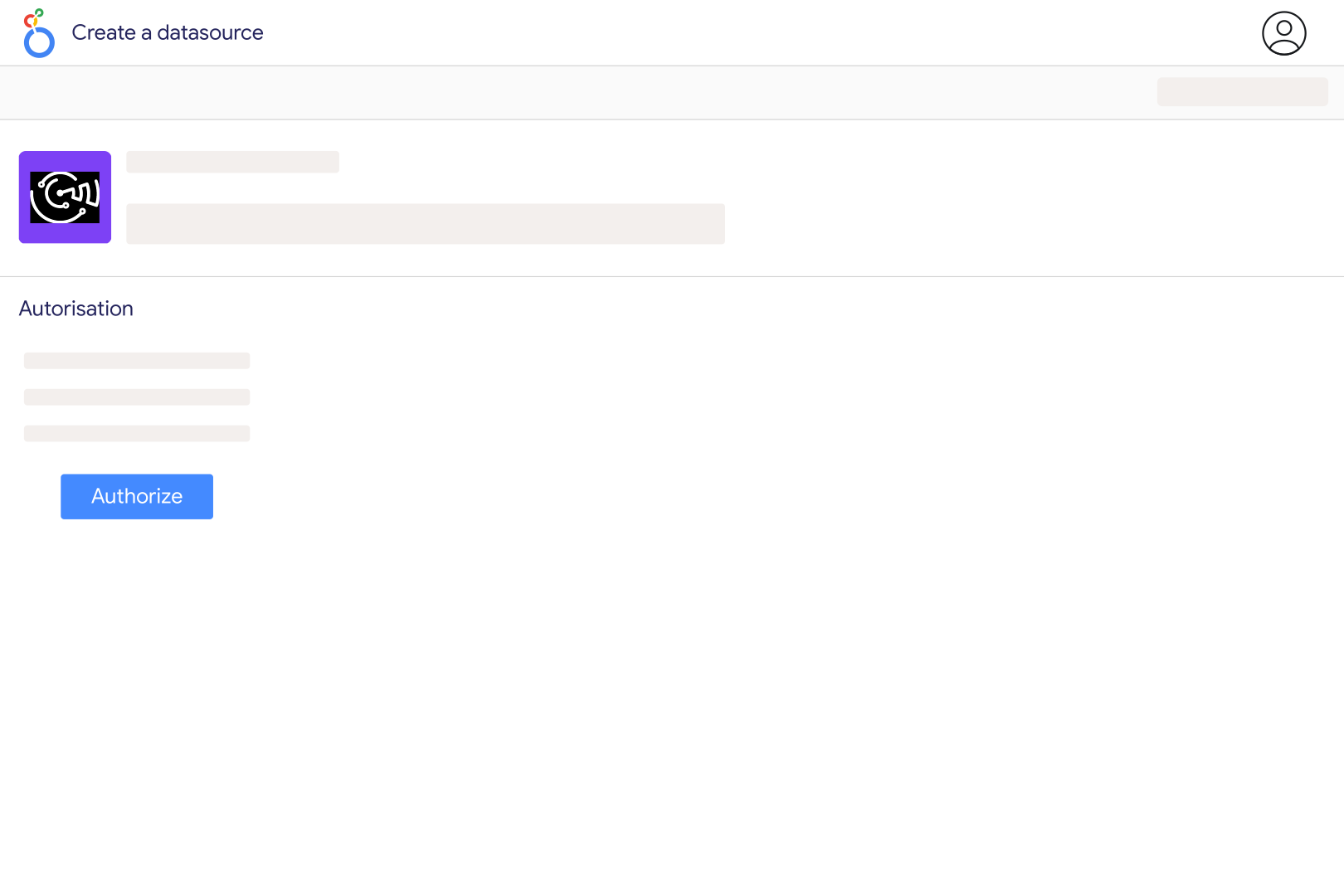
Click the connector link to open it inside Looker Studio. You will be asked to authorize the connector before creating your data source.

2. Authorize Looker Studio (Data Studio) and Catchr

Choose the Google account you use for Looker Studio and authorize Catchr to create a secure Amazon Ads data source.

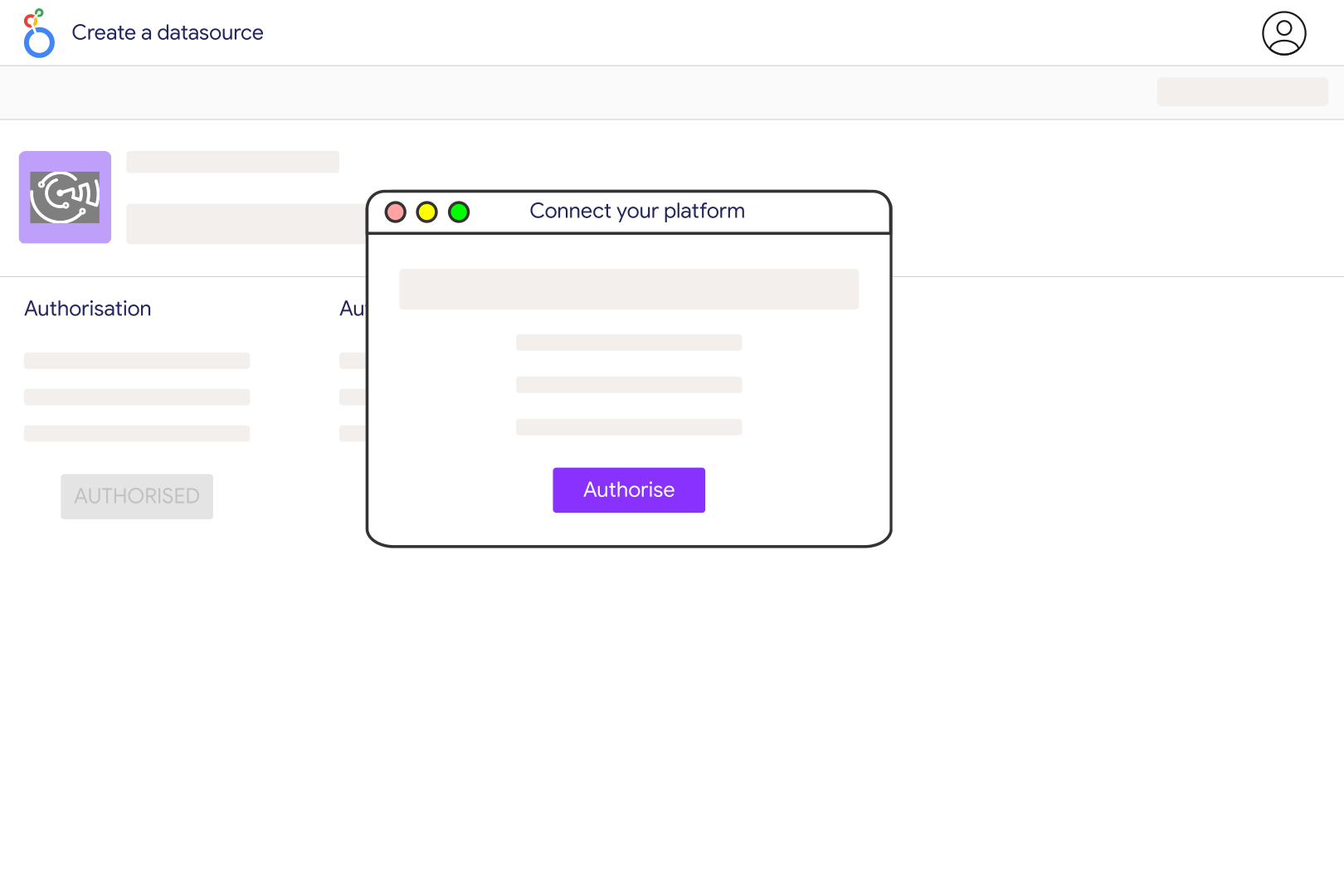
3. Connect your Amazon Ads account

Sign in with your Amazon Ads account that has access to the accounts you want to report on. Make sure your user has the right Amazon Ads permissions.

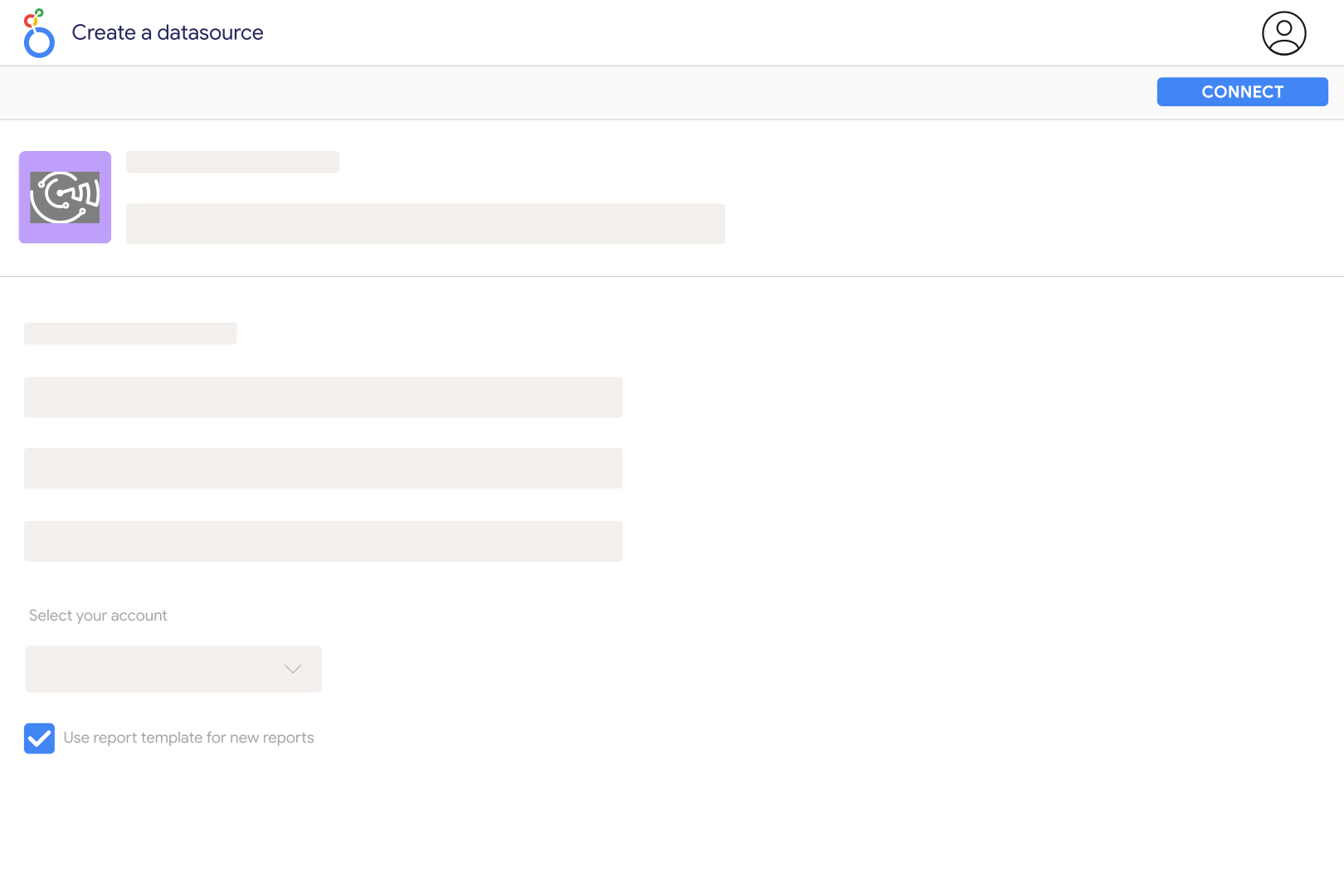
4. Select your Amazon Ads accounts

Choose one or several Advertising accounts, depending on the report you want to build.

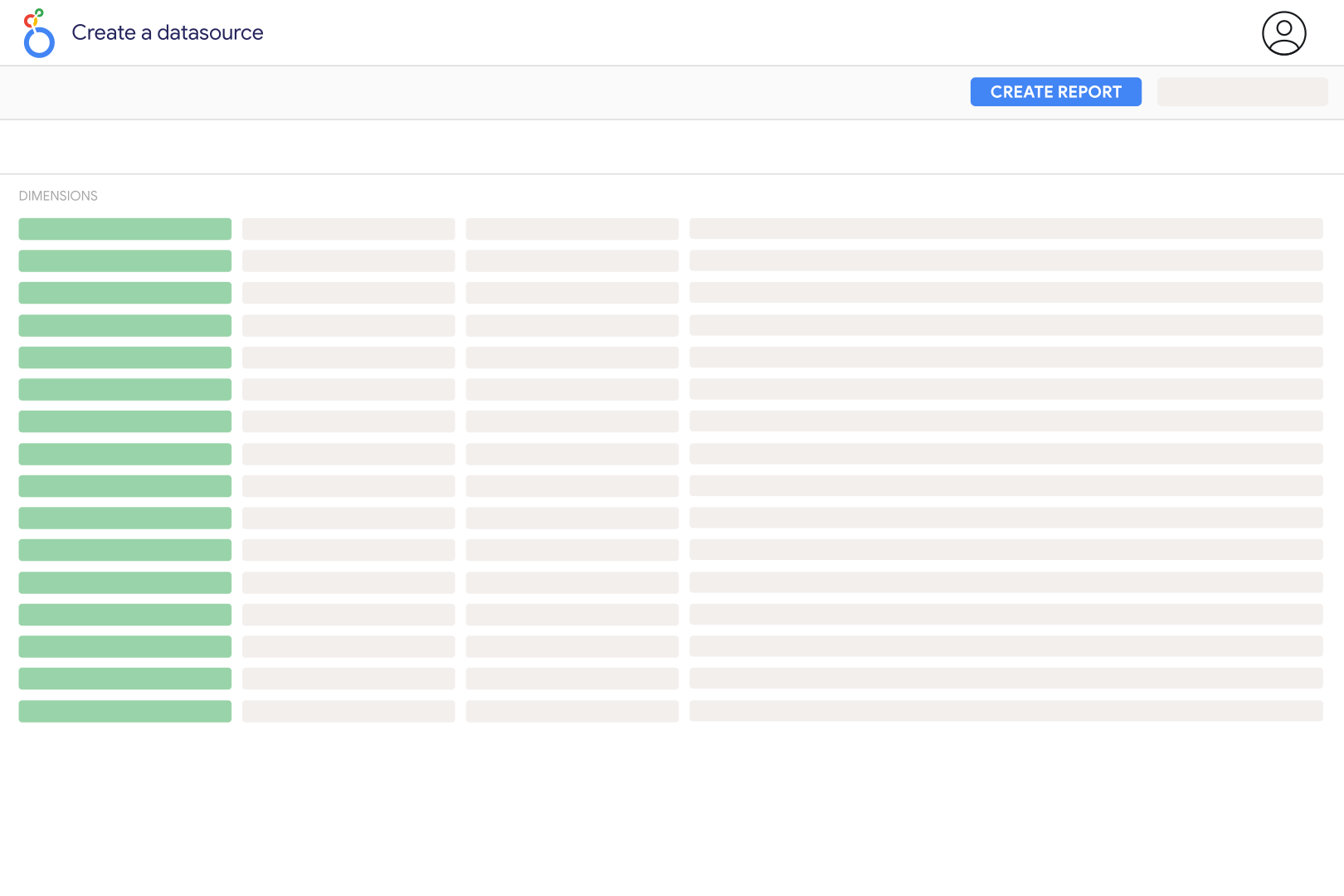
5. Create your Data Studio report

Click Create report, then add charts, scorecards, tables, filters, and date controls using your Amazon Ads metrics and dimensions.

6. Customize your dashboard

Use Sales, Cost, Sponsored Targeting ROAS, Click Through Rate, Purchases, Date, Campaign Name, Ad Group Name, Keyword, Search Term and many more.

Amazon Ads metrics and dimensions available in Data Studio

Access 131 metrics and 54 dimensions from Amazon Ads connectors including Sales, Cost, Sponsored Targeting ROAS, Click Through Rate, Purchases, Date, Campaign Name, Ad Group Name, Keyword, Search Term and more.

131

Available metrics

54

Available dimensions

Build better Amazon Ads dashboards in Data Studio (ex Looker Studio)

Use Catchr to create dashboards that show what is working, what is wasting budget, and where performance is changing.

Client reporting for agencies

Create clean Looker Studio dashboards for each client with with Sales, Cost, Sponsored Targeting ROAS, Click Through Rate, Purchases always up to date.

Budget pacing

Compare daily spend with the monthly budget of each campaign, so overspend shows up mid-month instead of on the invoice.

Review what drives results across

Compare to see where budget, traffic, or revenue is improving and where performance is dropping.

Compare with your other channels

Combine with your others marketing to understand performance across your full acquisition journey.

Keep an eye on Amazon Ads performance

Track Amazon Ads Sales, Cost, Sponsored Targeting ROAS, Click Through Rate, Purchases in refreshable Data Studio dashboards so you can spot changes before they become reporting problems.

Customer testimonials

What our customers say about us.

85 %
Faster
Reporting time

After three years of use, Catchr has become essential for both our teams and our clients. So far, it has been our best solution for compiling and analyzing data from different advertising platforms. It’s easy to set up, and the customer service is responsive and excellent.

Valentin Keravel
CEO, Laio – Agency

With Catchr’s automated API, we can finally collect and centralize all advertising data, connect it with booking information, and calculate the real ROAS for our restaurant clients. It gives them full visibility, more autonomy, and the ability to optimize campaigns to maximize ROI.

Corentin Largeron
Freelance
30
hours saved

The solution is a real game changer, providing optimal time savings for our data reporting. The major strength of the solution is their highly responsive and professional support.

Corentin Largeron
CEO at The Browz – Agency

Amazon Ads to Data Studio (ex Looker Studio): FAQ

Answers to common questions about connecting data to spreadsheets, dashboards, AI assistants, and reporting tools with Catchr.

How do I connect Amazon Ads to Looker Studio?

Open the Catchr Amazon Ads connector in Looker Studio, authorize your Google account, and connect the Amazon account with access to your advertising profiles. Select the advertising account and report scope, then create a data source. Start with campaign, date, impressions, clicks and cost, and compare a completed period with the matching Amazon Ads report.

Does Catchr support Sponsored Products, Sponsored Brands and Sponsored Display?

Yes. The Amazon Ads source includes reports for Sponsored Products, Sponsored Brands and Sponsored Display. Available breakdowns depend on the ad product and report, including campaign, ad group, targeting, search term and product analysis. Use the separate Amazon DSP connector for DSP reporting.

Why are there separate 1-day, 7-day, 14-day and 30-day sales fields?

These fields describe different attribution windows in the reports that support them. Select the window that matches the Amazon Ads column you are comparing, and use it consistently for sales, purchases and efficiency calculations. The windows overlap: adding 7-day and 14-day sales counts some attributed sales twice. Field availability also differs across sponsored ad products, so not every campaign supports every window.

How should I calculate Amazon Ads ROAS and ACOS in Looker Studio?

For a chosen attribution scope, ROAS is attributed sales divided by advertising cost, while ACOS is advertising cost divided by attributed sales, expressed as a percentage. Calculate each from summed sales and cost over the same rows rather than adding campaign ratios. Handle a zero denominator explicitly, and keep currencies separate or convert them consistently before combining accounts.

Can I analyze search terms and the products shoppers purchased?

Yes, where the selected sponsored report supports those fields. A search term describes the query that triggered an ad; targeting describes the keyword or product target you configured. A purchased ASIN can differ from the advertised ASIN. Build separate charts for these report scopes instead of combining incompatible dimensions or assuming every campaign total will reconcile with a more restricted detail report.

Why are recent Amazon Ads results missing or different from the console?

Catchr reads synchronized daily Amazon reports, so a dashboard refresh is not the same as requesting new data from Amazon. A missing day can indicate that its report has not been synchronized rather than zero activity. Check the advertising profile, ad product, report level, currency and attribution window. Recent attributed sales can also change; compare completed periods and contact Catchr if a daily gap persists after synchronization.

How much Amazon Ads history can I retrieve?

History depends on the ad product, report type and data already synchronized for your account. Initial backfill limits are not the same across Sponsored Products, Sponsored Brands and Sponsored Display, and an empty older date does not prove that no ads ran. Check your earliest available reporting date before promising a year-over-year dashboard, and retain dated exports when you need a durable archive.

Can I combine Amazon advertising with total Amazon sales?

Yes. Add Amazon Seller or Amazon Vendor Central alongside your advertising data. Retail sales and ad-attributed sales have different scopes, so keep them labelled separately. Align marketplace, dates, currency and product identifiers before blending; joining a product total to multiple advertising rows can otherwise inflate the result.

Still have a question?

Our team is always here to answer any questions you may have about our data connector.