
Starter
For freelancers and small teams.
$ 24 /mo
Billed monthly · cancel anytime
Platforms3
Accounts10


Used by the world's leading companies








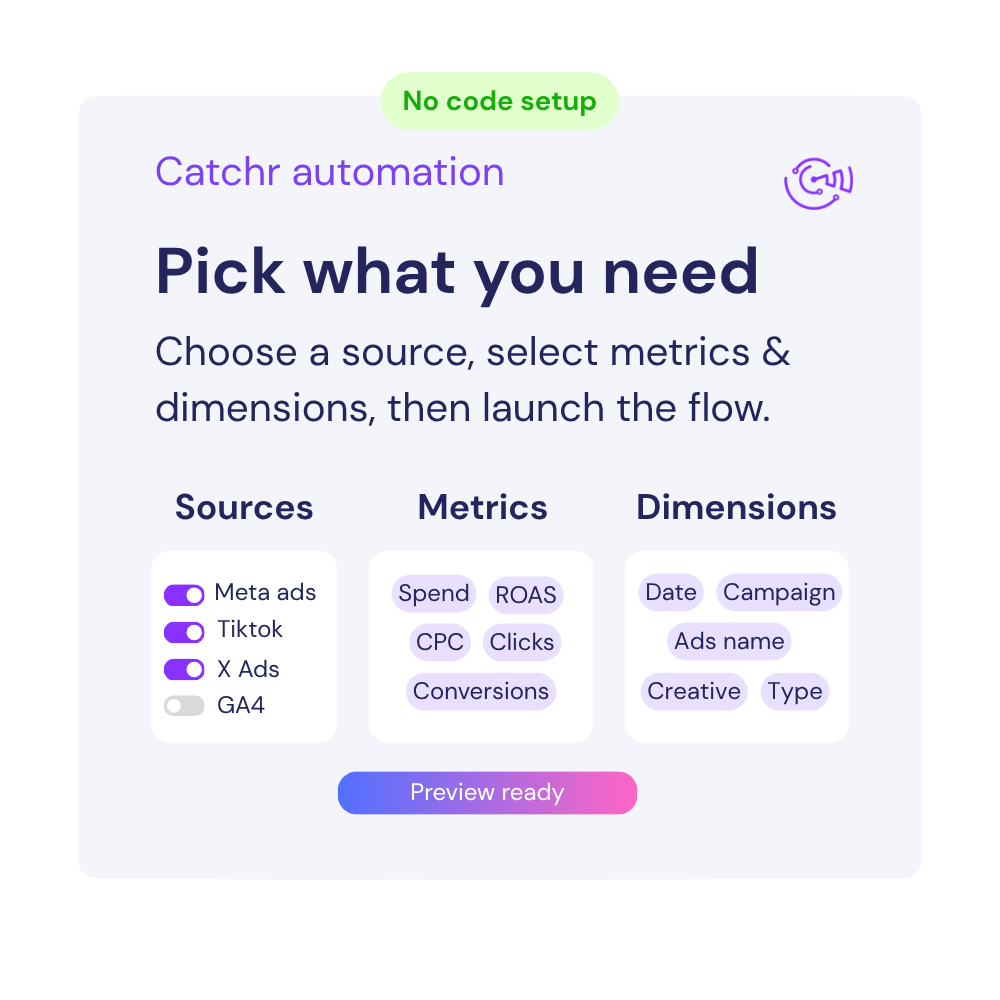
Available metrics
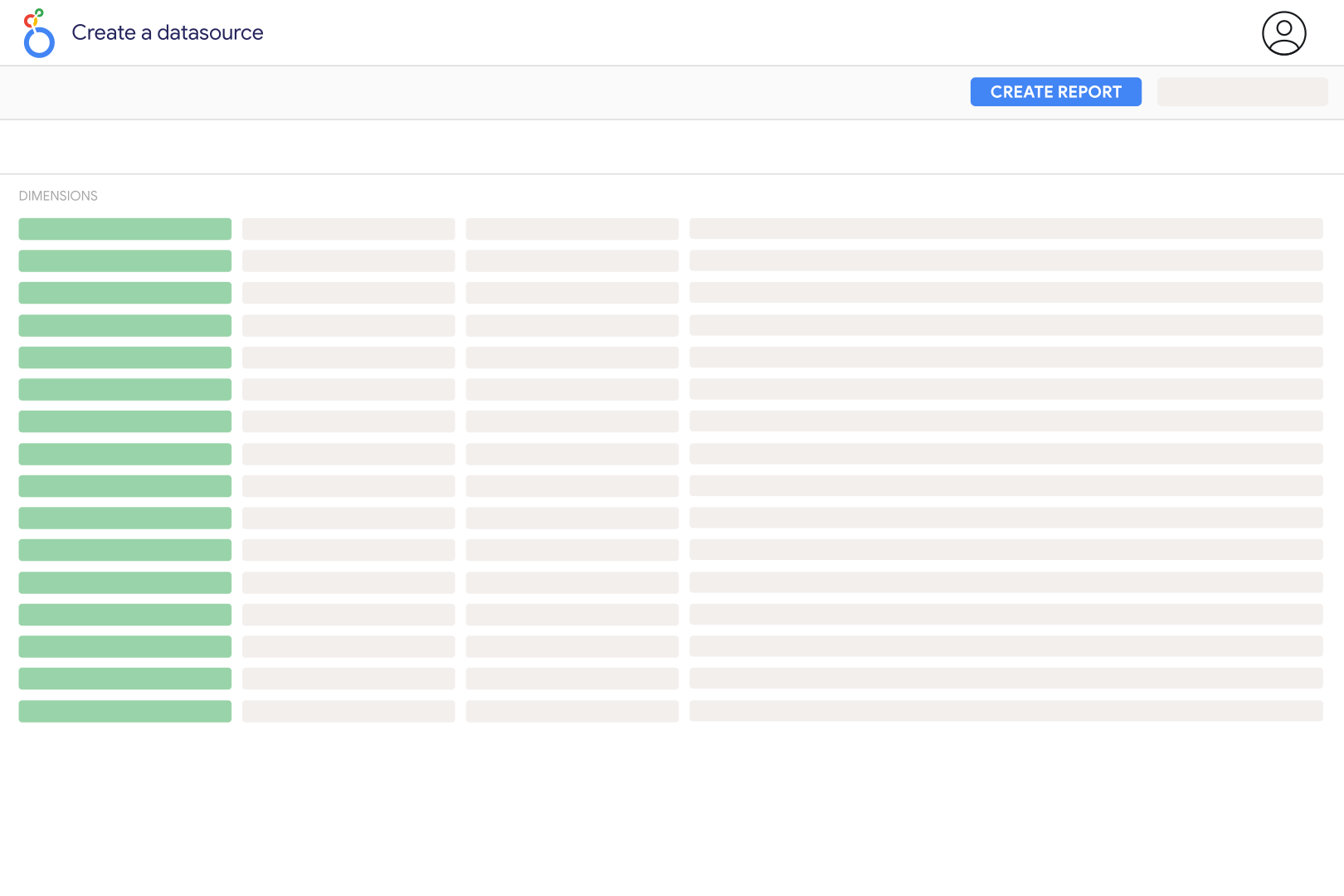
Available dimensions


What our customers say about us.
After three years of use, Catchr has become essential for both our teams and our clients. So far, it has been our best solution for compiling and analyzing data from different advertising platforms. It’s easy to set up, and the customer service is responsive and excellent.

With Catchr’s automated API, we can finally collect and centralize all advertising data, connect it with booking information, and calculate the real ROAS for our restaurant clients. It gives them full visibility, more autonomy, and the ability to optimize campaigns to maximize ROI.

The solution is a real game changer, providing optimal time savings for our data reporting. The major strength of the solution is their highly responsive and professional support.

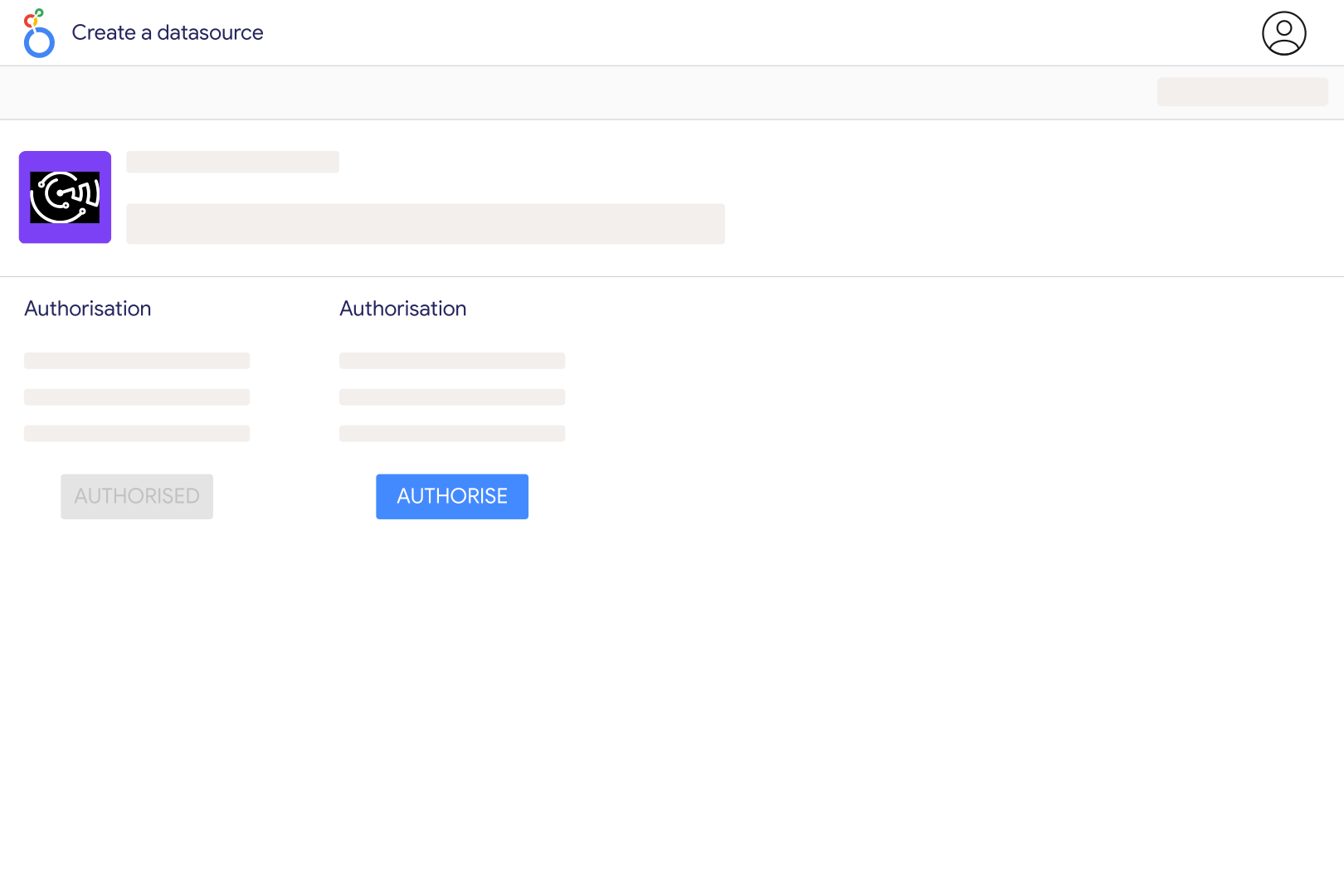
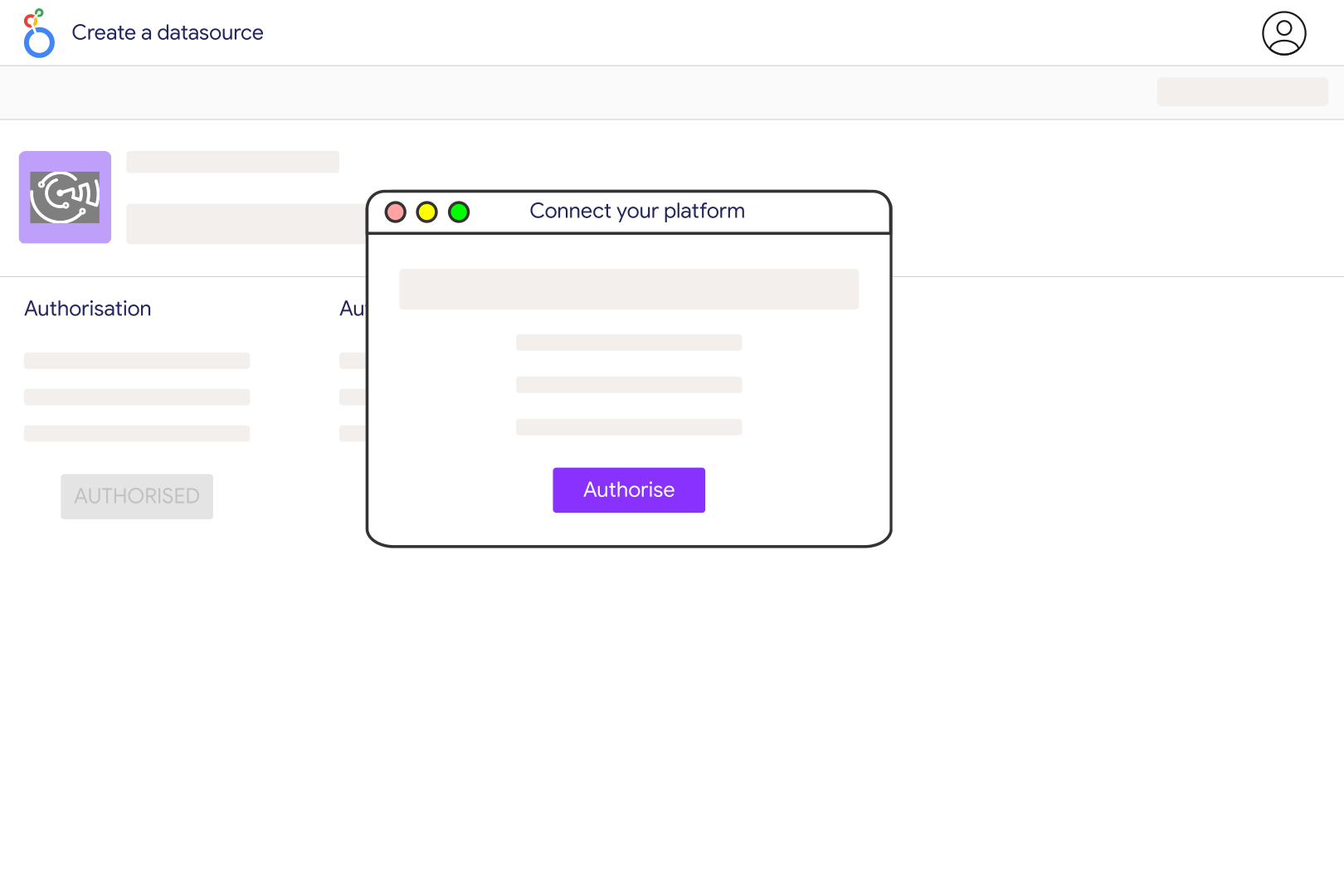
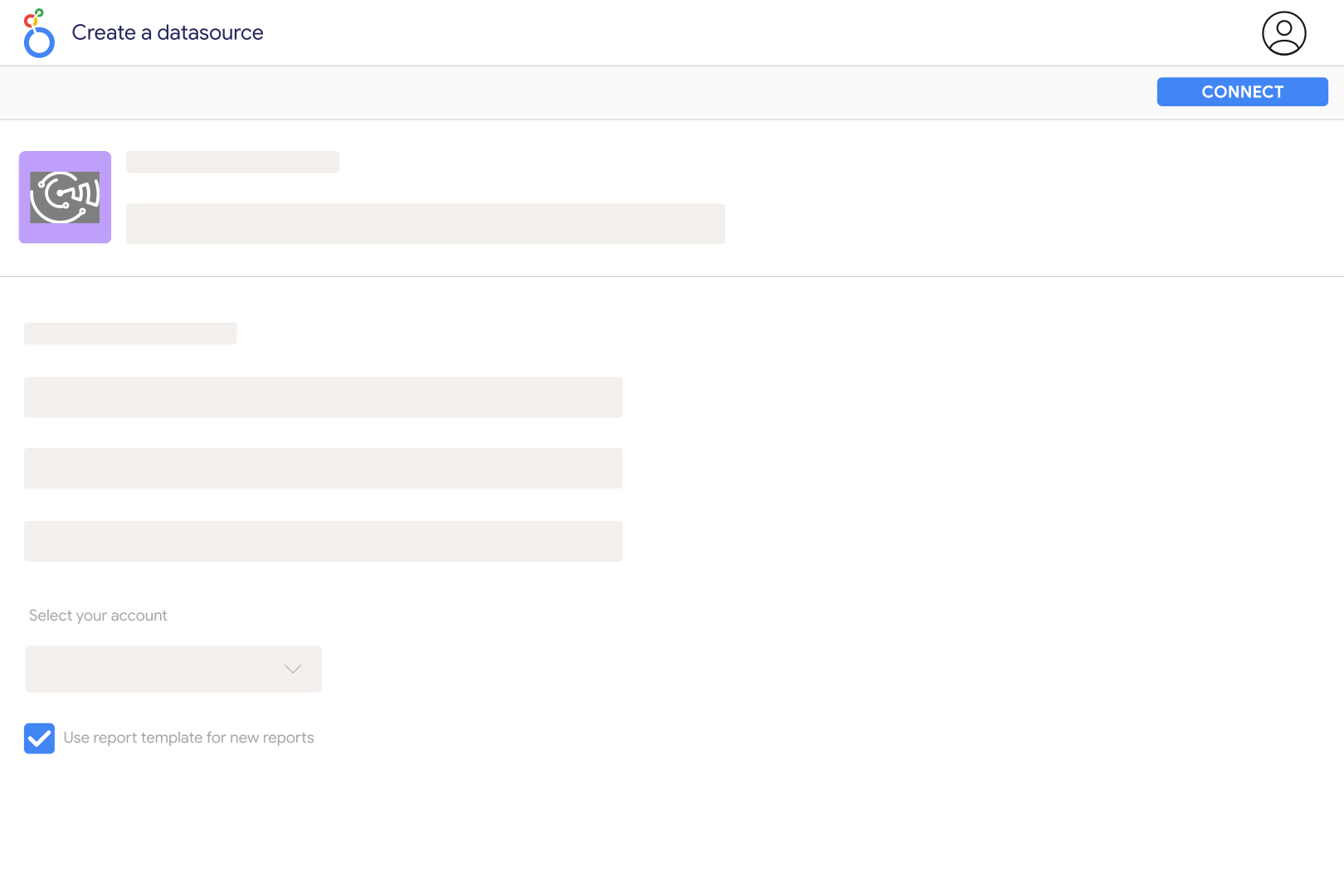
Add Yelp Review in Catchr and enter the business identifier that follows /biz/ in its Yelp URL. Use the full identifier for the specific location, not just the brand name. You can enter several identifiers separated by commas, select the business in your Catchr data source, and connect it to Looker Studio. Verify a table of Review Date, Rating, and Review Text against the correct location before building a report.
No. The Yelp Review source focuses on review text, ratings, dates, reviewer information, language, review URLs, and replies when available. Separate current summaries include Review Count and Average Rating. The catalog does not include advertising spend, ad clicks, calls, directions requests, or lead conversions. Use review feedback to understand customer experience, and keep advertising or lead data in a separate source if you want to compare reputation with acquisition performance.
Check that you are comparing the same business and the same set of reviews. A date-filtered average of retrieved reviews can differ from the current business rating. Yelp also excludes reviews it does not currently recommend from its overall star rating and review count. Catchr does not expose a recommendation-status field, so do not assume your own filtered average reproduces Yelp's calculation. Yelp's recommendation explanation describes which reviews count.
Use Review Date to group individual reviews, count distinct Review IDs, and average valid Rating values for each month. Show the review count beside the average so small samples are visible. The business-level Review Count and Average Rating are current summaries, not historical snapshots. Keep them in separate charts because Catchr cannot request global summary fields together with individual review fields. Missing results should not automatically be interpreted as a month with no reviews.
Use the Reply field alongside Review Text, Rating, and Review URL to inspect returned responses. Reviews without a populated reply can form a follow-up list, but check the original Yelp page before treating them as unanswered. The current catalog does not expose a reply timestamp, so it cannot directly calculate response time or show a full history of response edits. Manage replies in Yelp; Catchr provides reporting rather than publishing responses.
One request is not an unlimited export. Catchr pages through available reviews until results end, the requested date boundary is reached, or roughly 1,000 matching reviews have been collected. Use smaller review-date windows for high-volume businesses and inspect the dates actually returned. This connector does not promise access to every non-recommended review or to removed content. A current business review total can therefore differ from the number of individual records in your dashboard.
Yes. Configure each location's Yelp identifier and keep Account ID on individual review tables so feedback stays attached to the right branch. Map those identifiers to your own location names before combining sources. You can add Facebook Page reviews for a broader reputation report, but keep Yelp ratings and Facebook Recommendation Status distinct. Compare recent review volume and recurring complaints using consistent periods instead of blending incompatible scoring systems into one average.
Our team is always here to answer any questions you may have about our data connector.