
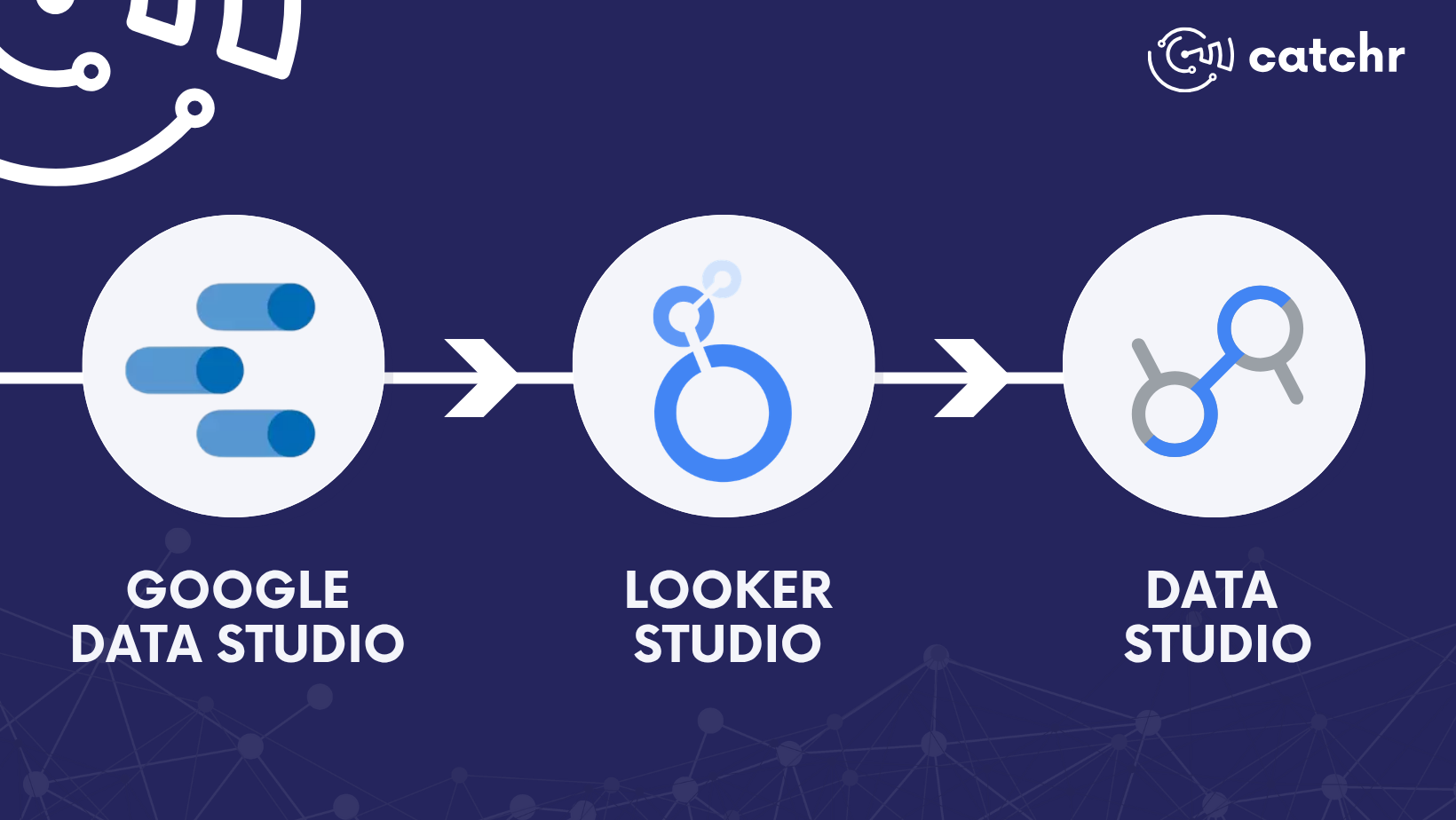
If you are wondering whether Data Studio and Looker Studio are two different tools, the short answer is simple: they are the same product.
The difference is mainly a matter of naming. Google’s reporting tool has changed names over time:
- It was originally known as Google Data Studio.
- In October 2022, Google renamed it Looker Studio.
- In April 2026, Google brought back the Data Studio name.
So if you see older articles, tutorials, templates, or connectors mentioning Looker Studio, they usually refer to the same product now called Data Studio.
What changed in April 2026?
On April 11, 2026, Google announced that Looker Studio is now Data Studio again. This change does not mean users need to move to a new tool or rebuild their reports.
Your existing reports, data sources, users, and assets are expected to transition automatically. For most users, the change is mostly about branding, naming, and how Google positions the product inside its broader data ecosystem.
In other words: your dashboards still work, your connectors still work, and you do not need to recreate anything.
Why did Google change the name back?
The 2022 rename to Looker Studio was part of Google’s plan to bring its business intelligence products under the Looker brand. Looker remains Google’s enterprise BI platform, especially for governed analytics, semantic modeling, and more advanced data workflows.
In 2026, Google reintroduced Data Studio as a more independent product focused on self-service reporting, personal data exploration, and easy visualization across Google’s ecosystem.
That makes the distinction clearer:
- Data Studio is the self-service reporting and dashboard tool.
- Looker is the enterprise BI platform for governed, modeled analytics.
- Looker Studio was simply the former name of Data Studio between 2022 and 2026.
Do users need to do anything?
No. For most users, there is no action required.
You can continue to:
- Create dashboards and reports.
- Connect data sources.
- Use Google connectors and partner connectors.
- Share reports with clients or teammates.
- Build charts, tables, filters, and blended data views.
If you have internal documentation, client guides, onboarding material, or blog posts that mention Looker Studio, you may simply want to update the wording to Data Studio to stay aligned with Google’s current naming.
Is Data Studio still free?
Yes. Data Studio continues to offer a no-cost version for individual analysis, reporting, and dashboard creation.
Google also offers Data Studio Pro, designed for teams and organizations that need more control, security, administration, and collaboration features.
For marketing teams, agencies, and larger companies, the Pro version may be useful when reports and data sources need to belong to the organization rather than individual users. This helps avoid access issues when a team member leaves or when several people need to manage shared reporting assets.
What does this mean for Catchr users?
For Catchr users, the change is straightforward: the destination name may evolve, but the reporting workflow remains familiar.
You can still use Catchr connectors to bring your marketing data into Data Studio, build dashboards, and track performance across your channels.
The key takeaway is this: Data Studio and Looker Studio are not two separate reporting tools. Data Studio is the current name for the product previously called Looker Studio.
TL;DR
Data Studio and Looker Studio are the same tool. Google Data Studio became Looker Studio in 2022, then Google brought back the Data Studio name in April 2026.
Nothing major changes for existing users: reports, data sources, connectors, and access should continue to work as before. The main update is the product name and Google’s clearer positioning between Data Studio for self-service reporting and Looker for enterprise BI.
Need help with your marketing reports? Catchr helps teams connect their marketing platforms to Data Studio and other destinations, so they can build reliable dashboards without manual exports.


.png)